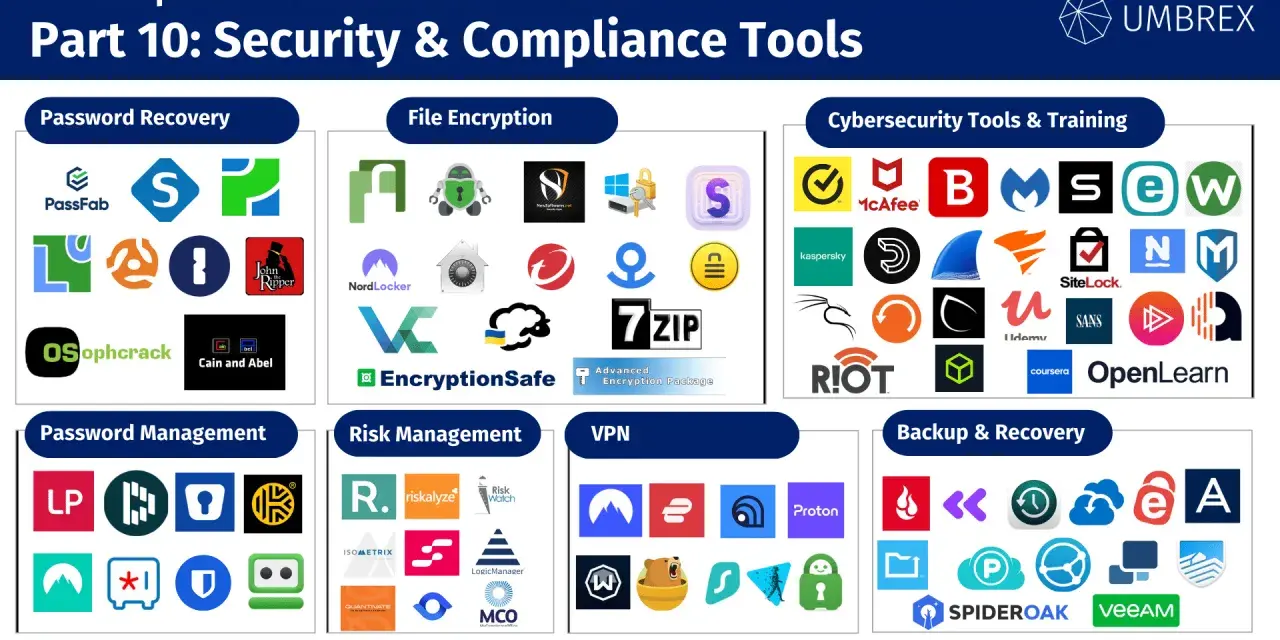
Security teams rarely fail because they lack software; they fail because the wrong controls are noisy, disconnected, or too hard to operate. This article breaks down security management tools, what each one actually does, and how to assemble a stack that improves visibility, response, and day-to-day control. I’m focusing on the parts that matter most in 2026: identity, endpoint coverage, logging, vulnerability control, and the trade-offs that shape budgets in UK organisations.
What you need to know before buying anything
- The strongest stack starts with identity, endpoints, logging, and patching, not with a shiny dashboard.
- SIEM and SOAR only pay off when your data is reliable and your response playbooks are already defined.
- In the UK, I would map the stack to legal, sector, and audit requirements, then remove anything that does not reduce real risk.
- Tool sprawl is expensive because every new platform needs data, tuning, ownership, and an incident workflow.
- Smaller teams usually need fewer products, tighter integration, and cleaner defaults, while larger estates need correlation and automation.
What these tools actually cover
I treat the security stack as a control plane for cyber risk. Some products prevent access, some watch for suspicious activity, some help me investigate, and some force discipline around patching, ownership, and reporting. The exact mix depends on the size of the estate, but the jobs stay the same: know what you have, decide who can touch it, see what it is doing, and react fast when something slips through.
- Identity and access management controls who can enter the environment and what they can reach.
- Endpoint detection and response watches laptops, servers, and mobiles for suspicious behaviour.
- Logging and monitoring collect evidence for investigation and incident response.
- Vulnerability management finds exposed software, missing patches, and weak configurations.
- SIEM and SOAR correlate events and automate response when the signal is strong enough.
- GRC and compliance tooling turns policy, evidence, and risk registers into something you can actually run.
The point is not to own one product from each category. The point is to cover the full lifecycle from prevention to recovery without leaving blind spots, and that leads directly to the question of which capabilities deserve priority first.
The core categories I would put in a modern stack
When I map a modern stack, I start with the controls that reduce the most risk per pound: identity, endpoint protection, logging, and vulnerability management. The NCSC is blunt that logging is the foundation on which monitoring and situational awareness are built, and that matches what I see in practice. If you cannot trust your logs, SIEM and automation become expensive guesswork.
| Category | What it does | Where it adds the most value | Main limitation |
|---|---|---|---|
| Identity and access management | Handles authentication, MFA, privilege controls, and joiners-movers-leavers processes. | Every organisation, especially those with remote work, SaaS, or third-party access. | Weak recovery if it is not tied to clean lifecycle management and privileged access discipline. |
| Endpoint detection and response | Detects suspicious behaviour on user devices and servers, then supports investigation and containment. | Mixed fleets, mobile workforces, and environments with a lot of endpoint risk. | It can generate noise if exclusions, policies, and response actions are poorly tuned. |
| Log management and SIEM | Centralises logs, correlates events, and highlights patterns that would be hard to spot manually. | Organisations that need visibility across cloud, network, identity, and endpoint data. | Data volume and ingestion cost can rise quickly if you collect everything without a plan. |
| SOAR and response automation | Executes playbooks for common incidents, such as account isolation, ticketing, or enrichment. | Teams with repeatable workflows and enough alert quality to automate safely. | Automation only helps when the inputs are trustworthy and the failure modes are understood. |
| Vulnerability management | Finds missing patches, exposed services, outdated software, and configuration drift. | Almost every estate, because exploitability moves faster than manual review. | Scanning without prioritisation creates a backlog instead of reducing exposure. |
| GRC and evidence tooling | Tracks policy, control ownership, risk decisions, evidence, and audit readiness. | Regulated organisations, supplier-heavy environments, and teams with formal assurance needs. | It becomes paperwork software if it is detached from technical control data. |
| Cloud posture management | Checks misconfigurations across cloud services, identities, storage, and workloads. | Cloud-first or hybrid organisations with fast-changing infrastructure. | It is only useful if someone owns remediation and change control. |
My rule is simple: if a product does not improve visibility, reduce exposure, or speed up response, it is probably decorative. Once the categories are clear, fit becomes the real buying test.
How to choose a stack that fits a UK organisation
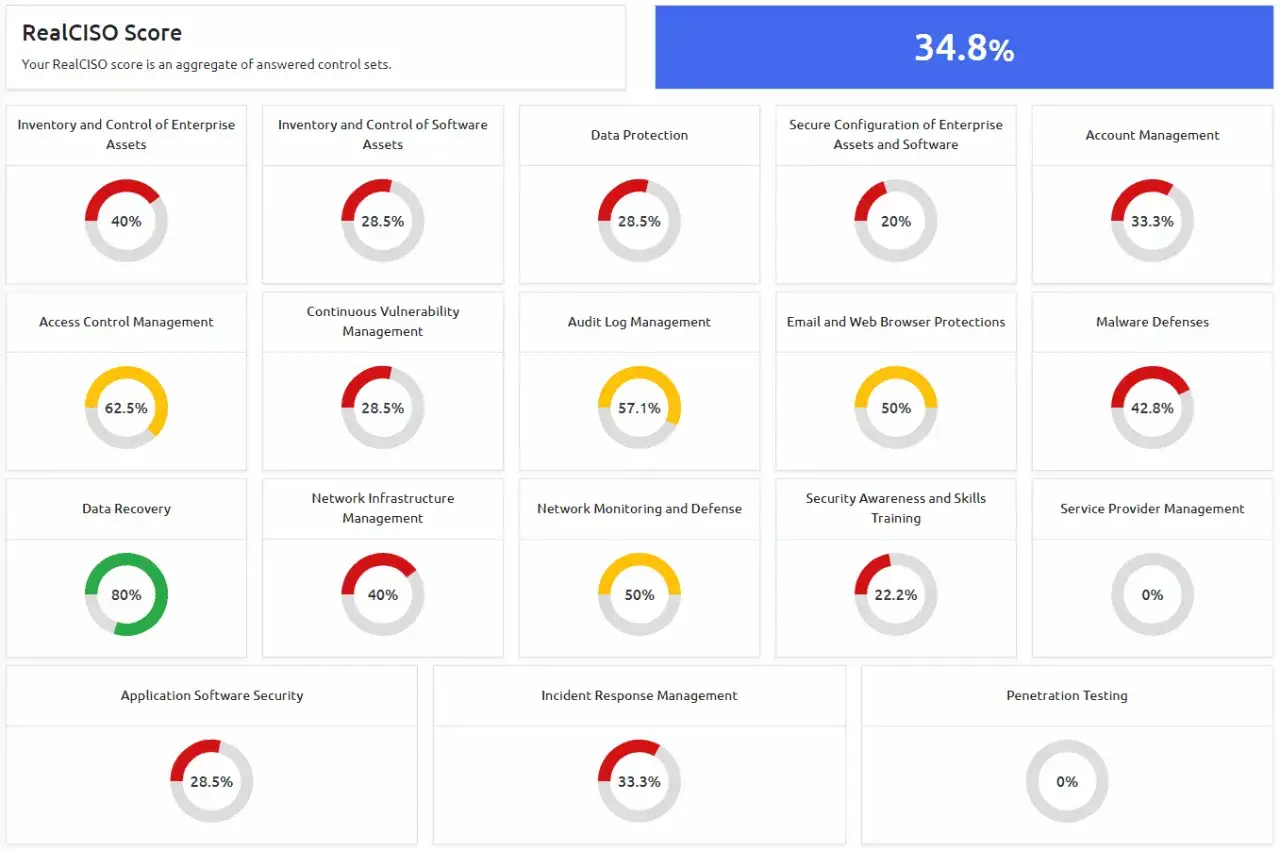
In the UK, I would not start with a vendor shortlist. I would start with the organisation’s obligations, infrastructure shape, and the people who will run the tools. GOV.UK’s 2025/2026 survey says 43% of businesses reported a breach or attack in the last year, which is a reminder that this is not only a problem for banks and large enterprises. A practical stack needs to match your actual operating model, whether you are a ten-person SaaS company, a council, or a regulated services provider.
Choose by operating reality, not by feature count
- If you have fewer than about 250 endpoints and a small IT team, prioritise MFA, EDR, patching, cloud email protection, and simple centralised logging.
- If your estate is hybrid or cloud-heavy, add cloud posture monitoring and configuration drift controls before you chase advanced analytics.
- If you are regulated or audited, insist on exportable evidence, role-based access control, retention controls, and a clean ownership model.
- If multiple suppliers manage parts of the environment, make sure third-party access can be revoked quickly and reviewed regularly.
- If the team is already thin, prefer integrations that reduce handoffs over features that look good in a demo.
Read Also: UK Critical Infrastructure Protection - What's Changing?
The buying filter I use
When I compare platforms, I ask six practical questions. Can it integrate with the systems that already matter? Can it reduce alert volume rather than add to it? Can the team operate it on an ordinary Tuesday, not just during a sales demo? Can it scale without a painful price jump? Can it support incident response, not just reporting? And can it prove value to leadership without turning every discussion into a technical debate?
If the answer is no to two or more of those questions, I keep looking. That discipline matters because the next challenge is not purchase, it is implementation.
How to implement the stack without drowning in alerts
The hardest part is not deployment; it is making the tools trustworthy. I normally sequence implementation in this order: inventory, identity, logging, tuning, automation, and then reporting. That keeps the team from automating bad data.
- Start with asset inventory. You cannot secure what you cannot name, and this is where many programmes quietly fail.
- Normalise identity. MFA, privileged access rules, and joiners-movers-leavers controls should come before fancy detection logic.
- Centralise logs. Choose a small set of high-value sources first: authentication, endpoints, admin actions, critical servers, cloud control planes, and email.
- Write a few response playbooks. Account takeover, malware on an endpoint, suspicious privilege escalation, and risky cloud changes are usually enough to begin with.
- Tune before you automate. SOAR is useful only when false positives are under control and the team agrees on what “normal” looks like.
- Measure operational outcomes. I care more about time to detect, time to contain, patch latency, and percentage of critical assets covered than raw alert counts.
This is also where a SOC becomes relevant. You do not always need a large in-house centre, but you do need clear ownership for monitoring, triage, and escalation. Without that, the tools become an expensive filing cabinet.
That implementation order also explains why some stacks look impressive but still fail in an incident: they skip the unglamorous work of data quality, process ownership, and escalation design. Once the tools are live, the more interesting question is where they fail in practice.
Where security stacks usually fail in practice
I see the same mistakes repeatedly, and most of them are structural rather than technical. The tools are rarely the real problem; the operating model is.
- Buying SIEM before log hygiene. Correlation cannot rescue poor sources, missing timestamps, or inconsistent naming.
- Letting every team buy its own platform. That creates duplicate data, duplicate cost, and inconsistent response paths.
- Ignoring privileged accounts. If admins are not separated, protected, and reviewed, the stack has a blind spot in the most dangerous part of the environment.
- Scanning without prioritising. A long vulnerability list feels productive, but it often hides the few issues that actually matter.
- Measuring activity instead of outcome. Alert counts, scan counts, and ticket counts are not the same thing as reduced risk.
- Automating too early. If response playbooks are immature, a single bad automated action can create a second incident.
The best teams I work around are not the ones with the most tools. They are the ones with the cleanest ownership, the fewest gaps between systems, and the discipline to remove anything that does not earn its place. That becomes even more important when the budget is tight.
The order I would fund first if the budget is tight
If I had to build from zero, I would fund identity and MFA first, then endpoint protection, then vulnerability management, then central logging, and only after that SIEM or SOAR expansion. That sequence is boring, but it works because it reduces the chance of a single stolen credential or unpatched host turning into a much larger incident.
- First: MFA, privileged access controls, and a clean account lifecycle.
- Second: EDR on all user devices and critical servers.
- Third: Patch and vulnerability workflows with an owner and deadlines.
- Fourth: Central logging for the most important systems.
- Fifth: SIEM rules and automation, once the raw signals are stable.
The best security management tools are the ones that shorten the path from suspicion to action. In practice, that means fewer surprises, cleaner handoffs, and a stack that is designed to be operated, not admired. If you keep that standard in view, the technology becomes much easier to evaluate, and the buying decision becomes far less theatrical.